
How to Clean Your Washing Machine (and Stop Your Washing Smelling)
If your freshly washed towels come out smelling a bit off, the problem might not be your washing at all. It could be the machine. Washing machines are warm, damp and full of detergent residue, which makes them the perfect place for mould, bacteria and that unmistakable musty smell to settle in.
The good news is a proper clean only takes about 20 minutes of hands-on time. The machine does the rest.
Signs your washing machine needs a clean
- Clean washing smells musty or damp
- A mouldy smell when you open the door
- Black spots or slime on the rubber door seal
- Grey or sticky residue in the detergent drawer
- Water draining slowly, or bits of lint left on your clothes
What you'll need
- White vinegar or a washing machine cleaner
- An old toothbrush
- A cleaning cloth
- A towel for the floor
A quick note before you start: check your machine's manual. Most machines are fine with vinegar, but some manufacturers recommend their own cleaning products instead, so it's worth a look.
How to clean a front loader
1. Clean the rubber door seal
This is where most of the grime hides. Gently pull back the seal and wipe inside the fold with a cloth dampened with equal parts white vinegar and warm water. Use the toothbrush on any mouldy spots. You might be horrified by what comes out. That's normal.
2. Clean the detergent drawer
Most drawers pull straight out. Soak it in warm soapy water, scrub off the residue with the toothbrush, rinse and dry. Wipe out the cavity it sits in while you're there.
3. Check the filter
Usually found behind a small panel at the bottom front of the machine. Lay down a towel, because water will come out. Remove any lint, coins, hair ties and other treasures, rinse the filter and pop it back in.
4. Run a hot cycle
With the drum empty, add two cups of white vinegar (or your washing machine cleaner) and run the hottest, longest cycle your machine offers.
5. Wipe it down
Wipe the drum, door glass and outside of the machine with a damp cloth, then leave the door open to dry.
How to clean a top loader
- Fill the machine on the hottest setting with the highest water level.
- Add two cups of white vinegar, let it agitate for a minute, then pause the cycle and let it soak for an hour.
- Finish the cycle.
- Clean the lint filter, wipe under the lid and around the rim, and give the agitator a scrub with the toothbrush.
- Leave the lid open to dry.
How often should you clean your washing machine?
Once a month is a good routine for most households. If you have a big family, wash a lot of activewear or live somewhere humid, you might want to do it more often.
How to keep your washing machine fresh between cleans
- Leave the door open after each wash so the drum and seal can dry out
- Take washing out straight away. Wet laundry left sitting in the drum is how smells start
- Use the right amount of detergent. More is not better. Excess detergent builds up in the machine
- Go easy on fabric softener. It leaves a waxy residue in the machine as well as on your clothes
- Wipe the seal once a week with a dry cloth
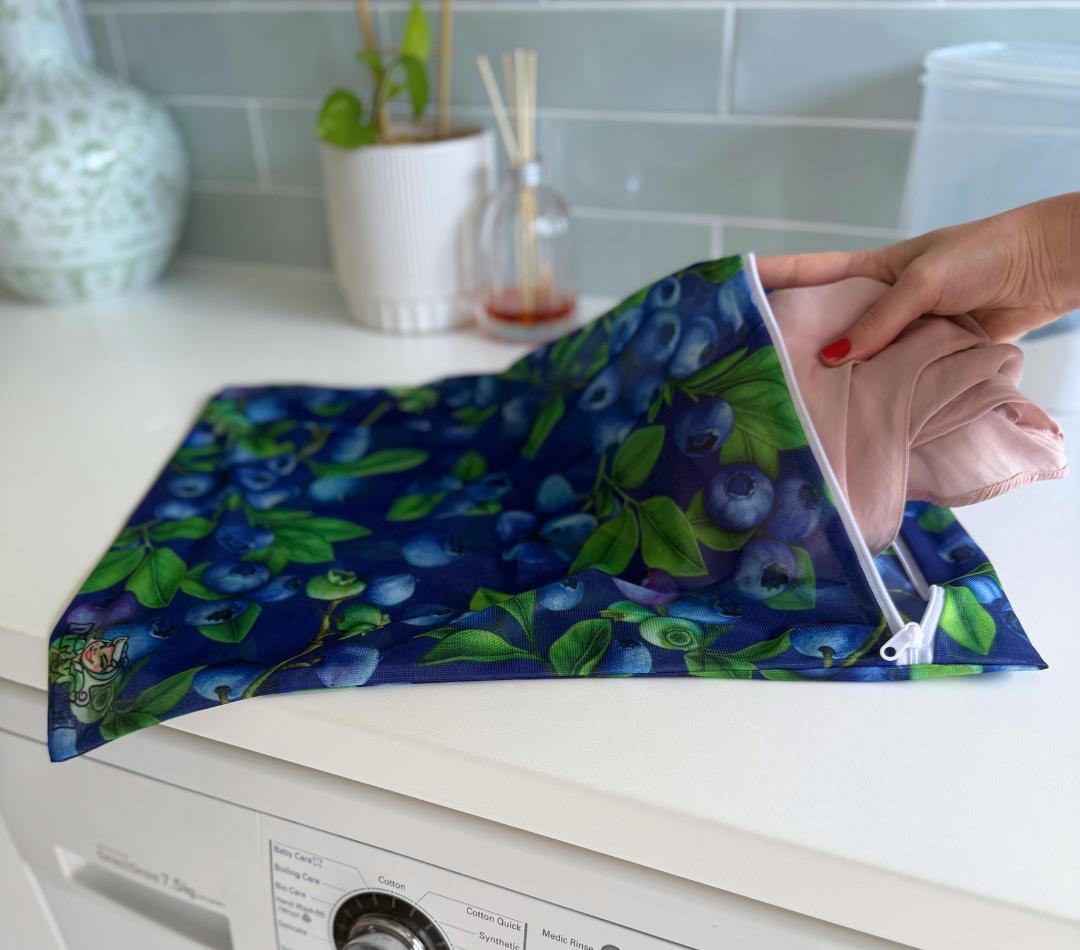
- Use a wash bag for underwire bras and small items so hooks and wires don't end up in the drum or filter
Washing machine cleaning FAQs
Why does my washing smell after washing?
The most common causes are a dirty machine, washing left in the drum too long, too much detergent or softener, or clothes not drying fully. Cleaning the machine is a great place to start.
Can I use bleach to clean my washing machine?
Some manufacturers allow it, but never mix bleach with vinegar, as the combination releases toxic fumes. If you do use bleach, run a full rinse cycle before going anywhere near vinegar.
Is it the machine or my towels that smell?
If everything smells, it's probably the machine. If it's just your tea towels or bath towels, it's more likely softener build-up or slow drying. Our post on why tea towels smell weird covers that one.
A DirtyGirl cleaning cloth is perfect for wiping out the seal and drawer, and our wash bags keep the little things out of your filter. Happy washing.
Please note: the tips in this post are general information only. Every home, surface, fabric and appliance is different, so always check the manufacturer's care instructions and patch test on a small, hidden area first. Any tips are used at your own risk, and DirtyGirl can't be held responsible for any damage that may result.

Leave a comment
This site is protected by hCaptcha and the hCaptcha Privacy Policy and Terms of Service apply.